
7 Mistakes Spring Hill Landlords Make When Managing a Rental
Spring Hill landlords face a clear operational reality: rental ownership requires more than collecting a check each month. Pricing, screening, maintenance, inspections, rent collection, documentation, and Florida compliance all directly affect your cash flow and liability.
Spring Hill is a large Hernando County community on Florida’s Nature Coast, positioned within the broader Tampa Bay region. That combination creates opportunity for rental-property owners: but it also means you must manage your home according to local market conditions and Florida’s landlord-tenant requirements.
Here are seven mistakes we see owners make when managing a Spring Hill rental, along with practical ways to avoid them.
1. Pricing the Rental Based on Guesswork
One of the most expensive mistakes is setting rent based on what you paid for the property, what a neighbor charged last year, or what you need to cover your mortgage.
Your rental price should be based on current comparable properties: not personal expectations.
Spring Hill’s rental market includes single-family homes, townhomes, condominiums, and newer developments. A three-bedroom home near the Suncoast Parkway may compete with different properties than a home farther west toward Weeki Wachee or the Nature Coast.
How to improve your rental pricing
- Compare properties with similar bedrooms, bathrooms, square footage, parking, and amenities.
- Evaluate the condition of the kitchen, bathrooms, flooring, paint, landscaping, and appliances.
- Consider access to major roads, shopping, schools, and Tampa Bay employment centers.
- Review active listings as well as recently leased properties.
- Account for vacancy, insurance, taxes, maintenance, and capital improvements.
- Reevaluate rent before every renewal instead of relying on an outdated number.
A rental priced too high may sit vacant while competing homes receive applications. A rental priced too low may lease quickly but leave hundreds or thousands of dollars on the table over the course of a year.
Modern Day Property Management provides a rental price analysis as part of its leasing services. Learn more through our pricing and management services page.

2. Accepting an Applicant Without Consistent Screening
A friendly conversation is not a screening process. Neither is reviewing a pay stub without verifying the applicant’s employment, rental history, and financial profile.
Never relax your criteria simply because a property has been vacant longer than expected.
Weak screening can lead to unpaid rent, unauthorized occupants, property damage, lease violations, and expensive turnover. It can also create fair housing risk if you apply different standards to different applicants.
Build an objective screening process
Your written rental criteria should address items such as:
- Verifiable income and employment.
- Credit history and payment patterns.
- Prior rental history and landlord references.
- Eviction and civil court records where legally permitted.
- Criminal background information, handled consistently and lawfully.
- Pet, occupancy, and vehicle requirements.
- Application approval and denial procedures.
Apply the same written standards to every applicant. Keep records showing how decisions were made, and avoid comments or questions that could suggest discrimination based on protected characteristics.
Florida also has specific requirements in certain situations. For example, The Florida Bar explains that landlords must notify certain active-duty military applicants of approval or denial within seven days after an application is submitted. Review the Florida Bar’s landlord and tenant guidance and obtain legal advice when a situation is unclear.
3. Treating Maintenance as an Emergency-Only Function
Waiting until a tenant reports a major leak, air-conditioning failure, or electrical issue is not a maintenance strategy. It is a liability strategy.
Spring Hill’s hot, humid climate places ongoing demands on HVAC systems, roofs, plumbing, irrigation, landscaping, and pest control. Small issues can become expensive repairs when they are ignored.
Under Florida Statutes § 83.51, landlords must comply with applicable building, housing, and health codes and maintain structural components and plumbing in reasonable working condition. Additional statutory obligations may apply depending on the property type.
Create a maintenance system
- Classify requests as emergency, urgent, or routine.
- Give tenants clear instructions for reporting problems.
- Respond quickly and document every request.
- Use qualified vendors for HVAC, electrical, plumbing, roofing, and other specialized work.
- Schedule preventive HVAC servicing and seasonal property checks.
- Keep invoices, photographs, work orders, and tenant communications.
- Review recurring repairs to determine whether replacement is more cost-effective.
Do not assume that a tenant’s failure to report a problem eliminates your responsibility. You still need a reasonable system for identifying and addressing issues.
4. Collecting Rent Casually
A landlord who accepts late payments inconsistently, overlooks partial payments, or negotiates a new arrangement by text message can quickly lose control of the account.
Rent collection must be systematic, documented, and consistent.
Your lease should clearly state the due date, accepted payment methods, late-fee terms, and consequences of nonpayment. Whenever possible, use an online portal that creates a reliable record of payments, balances, notices, and communications.
If rent is not paid, act promptly. Under Florida Statutes § 83.56, a landlord may deliver a written demand for payment or possession, commonly called a three-day notice, after a tenant fails to pay rent. The statutory period excludes Saturdays, Sundays, and court-observed legal holidays. The notice and delivery process must be handled correctly.
Avoid these rent-collection mistakes
- Letting several months of arrears accumulate.
- Accepting partial rent without understanding the legal consequences.
- Failing to provide accurate receipts and account statements.
- Threatening an eviction without following the statutory process.
- Locking out a tenant or shutting off utilities.
- Treating one tenant differently from another in similar circumstances.
A court order is required to remove a tenant. If legal action becomes necessary, consult a Florida landlord-tenant attorney or use a qualified property manager familiar with Hernando County procedures.
5. Ignoring Florida Landlord-Tenant Compliance
Florida’s Residential Landlord and Tenant Act governs important parts of the rental relationship, including deposits, repairs, notices, entry, termination, and eviction procedures.
A generic lease and informal habits are not substitutes for a compliant operating process.
For example, Florida Statutes § 83.49 addresses security deposits and advance rent. Depending on the circumstances, landlords must use an authorized method for holding deposit funds, provide required disclosures, and follow strict deadlines after move-out.
If you do not intend to make a claim, the deposit generally must be returned within 15 days after termination of the rental agreement. If you intend to impose a claim, written notice generally must be provided within 30 days, and the tenant has 15 days after receiving the notice to object.
Compliance reminder: Security-deposit deadlines, notice language, delivery methods, and lease provisions can affect your ability to claim funds. Do not improvise the process.
Florida law also regulates access to the dwelling. Under Florida Statutes § 83.53, landlords may enter for inspections, repairs, agreed services, or showings, but must provide reasonable notice and enter at a reasonable time. For repairs, the statute identifies at least 24 hours’ notice as reasonable notice, except in emergencies and certain other circumstances.
Review the official Florida Statutes Chapter 83 and seek legal guidance for specific questions.
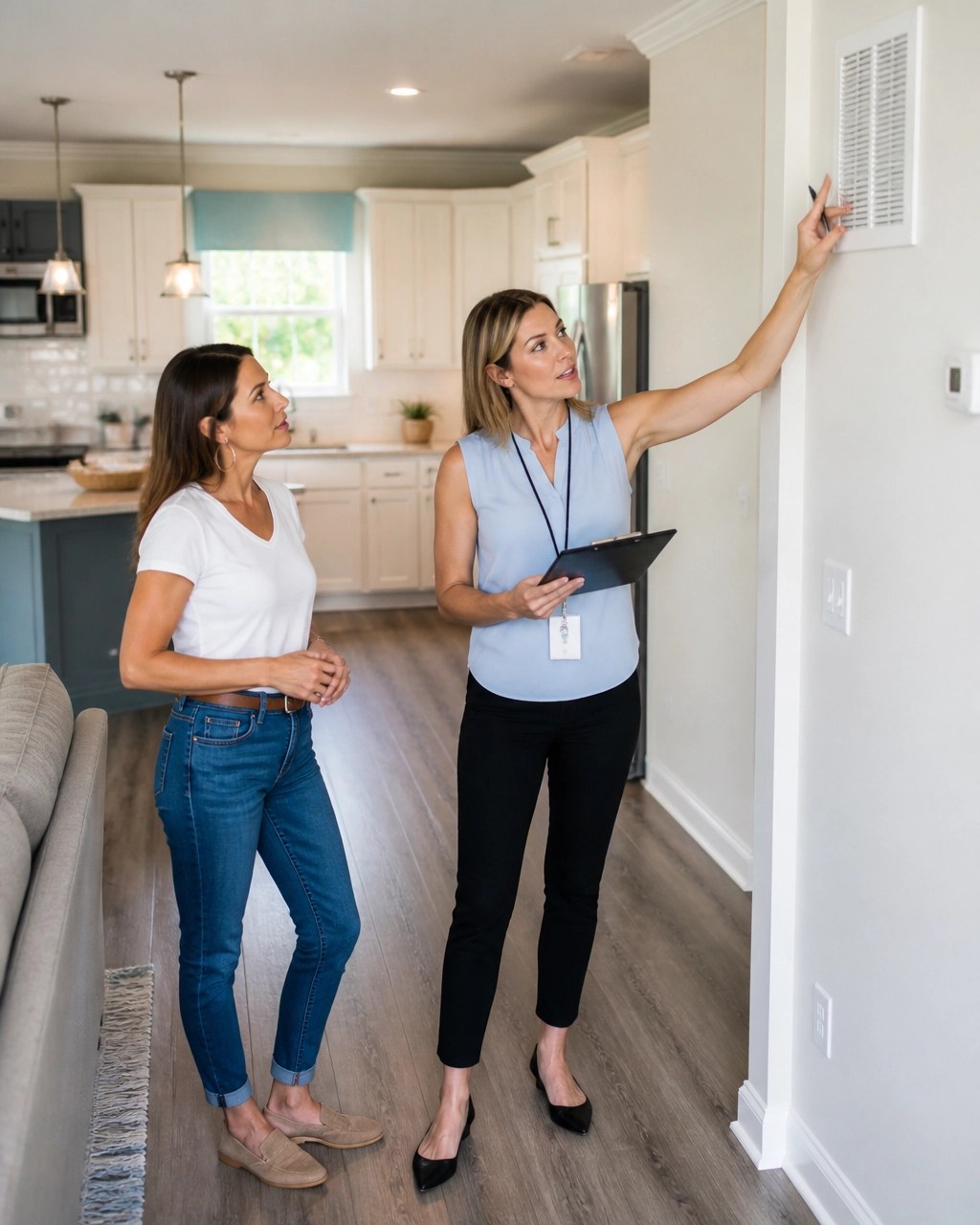
6. Skipping Property Inspections
Many owners inspect the home at move-in and then do not see it again until the tenant leaves. That approach creates preventable risk.
Routine inspections help you identify water intrusion, roof concerns, unauthorized occupants, deferred maintenance, landscaping problems, safety issues, and lease violations before they become major losses.
Use a documented inspection schedule
- Complete a detailed move-in inspection with dated photographs.
- Have the tenant acknowledge the property’s condition.
- Schedule periodic inspections with proper notice.
- Inspect HVAC components, plumbing fixtures, ceilings, windows, doors, appliances, and exterior areas.
- Document findings and provide written follow-up.
- Complete a move-out inspection before finalizing deposit accounting.
Inspections are not an excuse to harass or disrupt a tenant. They are a professional asset-protection tool that must be conducted lawfully and respectfully.
Modern Day Property Management coordinates regular property inspections and provides owners with updates through modern communication and reporting systems. You can also review our landlord resources for owner documentation and forms.
7. Underestimating the Workload of DIY Management
DIY management may appear simple when the property is occupied and rent is arriving on time. The workload becomes more obvious when the tenant stops paying, the air conditioner fails on a weekend, a security-deposit deadline is approaching, or the home becomes vacant.
Managing a rental requires you to operationalize:
- Marketing and leasing.
- Applicant screening.
- Lease preparation.
- Rent collection.
- Maintenance coordination.
- Inspections.
- Vendor oversight.
- Financial reporting.
- Tenant communication.
- Legal notices and compliance.
- Turnover and security-deposit accounting.
The issue is not whether you are capable of answering a phone call or showing a property. The issue is whether you can perform every function consistently, quickly, and with adequate documentation while protecting your investment.
A professional manager can be especially valuable if you live outside Hernando County, own multiple rentals, have a demanding career, or do not want tenant communication to control your schedule.
A Better Way to Manage Your Spring Hill Rental
Your Spring Hill rental should be treated as an investment with operating systems: not as an occasional side project.
Modern Day Property Management serves property owners across the Tampa Bay area with local expertise, transparent fees, digital tools, and high-touch communication. We can help you:
- 📈 Identify a sustainable rental price.
- 🏠 Market the property to qualified renters.
- 🔎 Apply consistent screening standards.
- 🔧 Coordinate repairs and preventive maintenance.
- 💳 Collect rent through convenient digital systems.
- 📋 Conduct inspections and document property condition.
- 📊 Deliver monthly financial reporting.
- ⚖️ Navigate notices, compliance, and eviction assistance.
If you own a rental in Spring Hill or elsewhere in Hernando County, request a free rental analysis and consultation through our contact page. We will help you understand what your property may earn, where your current process may be creating risk, and whether professional property management in Spring Hill, FL is the right fit for your goals.

- Tabetha Tyner, CEO of Modern Day Property Management
Legal Disclaimer: This article provides general educational information for Florida rental-property owners and is not legal, tax, insurance, or financial advice. Florida statutes and local requirements may change, and the application of the law depends on the specific facts of each tenancy. Review current law and consult a qualified Florida landlord-tenant attorney or other appropriate professional before taking action.
property management Spring Hill FL, Spring Hill FL property management, property manager Spring Hill Florida, Hernando County property management, rental property management Spring Hill, landlord mistakes Spring Hill FL, Spring Hill landlord guide, Florida landlord tenant law, Florida Statutes Chapter 83, Florida security deposit law, Florida rental property compliance, Spring Hill rental analysis, Spring Hill property manager, Nature Coast rental management, Tampa Bay property management, Hernando County rental homes, rental marketing Spring Hill, tenant screening Spring Hill, rent collection Florida, rental maintenance coordination, property inspections Florida, Florida eviction assistance, DIY landlord mistakes, rental pricing Spring Hill FL, investment property management Hernando County, residential property management Tampa Bay, professional property management Florida, rental owner consultation, free rental analysis Spring Hill, Modern Day Property Management